
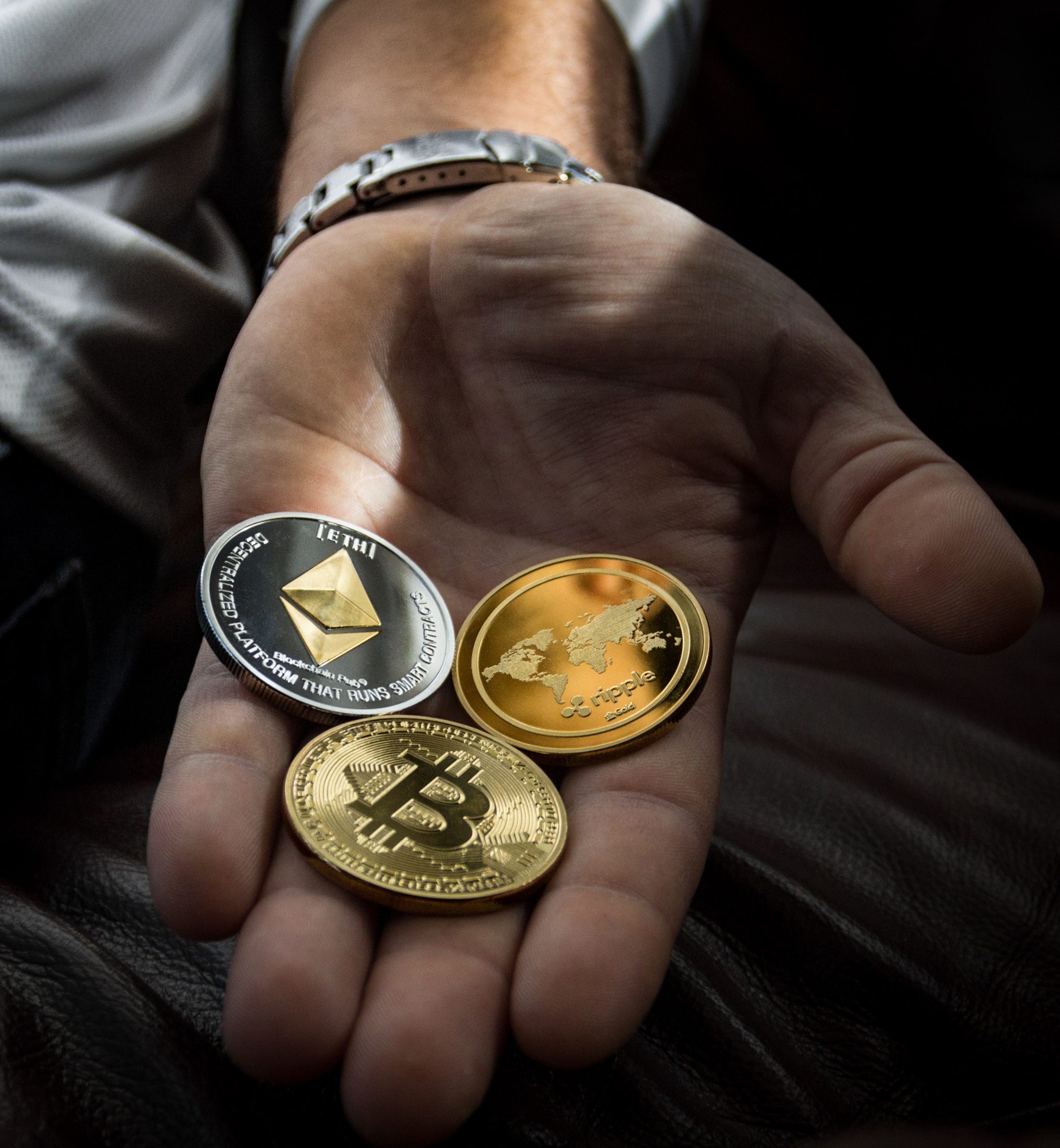
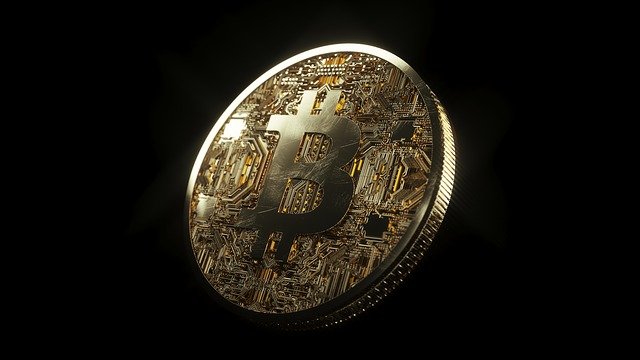
What’s the difference between Bitcoin and cryptocurrency?
A cryptocurrency is a type of digital currency that uses encryption techniques to regulate the generation of new coins, manage transactions, and verify ownership. Bitcoins are the first decentralized cryptocurrency.
In this article, I’m going to explain what Bitcoin and cryptocurrency are and why they are gaining so much popularity.
What Is Bitcoin?
The first and largest cryptocurrency, bitcoin was invented by an unknown person using the alias Satoshi Nakamoto and released as open-source software in January of 2009. It was designed to be a decentralized electronic cash system without a central bank or single administrator.
The network is peer-to-peer with no one controlling it. Its design enables payments between two parties without requiring trust from a middleman like a financial institution.
Bitcoin is a digital currency that uses cryptography for security instead of relying on central servers or banks. It can be used to send money over the internet to anyone anywhere in the world.
Bitcoin is not backed by any government or central authority such as the Federal Reserve System or the Bank of England. The value of bitcoins is determined solely by market forces.
How Does Bitcoin Work?

The blockchain is the public ledger that records all transactions ever made with bitcoin. This ledger is shared across all users and computers connected to the bitcoin network. Every transaction has a timestamp that is recorded on the blockchain.
History
The first recorded use of the term “bitcoin” was in August 2008, when developer Hal Finney posted a message about his new invention: a peer-to-peer electronic cash system called “Bit gold.” In this post, Finney described how he had invented a way to create unique units of account—called “bitcoins”—that could be transferred from one party to another without going through a central bank. He also explained how these bitcoins would function as a form of money.
According to Wikipedia, Hal Finney was an early Bitcoin user and received the first bitcoin transaction from Bitcoin’s creator Satoshi Nakamoto.
What is bitcoin mining?
In order for Bitcoin to work, there needs to be a way to create and transfer Bitcoins from one party to another. This is where miners come into play. Miners are responsible for creating new blocks of transactions and recording them onto the blockchain. They use powerful computers to find a solution to a problem. When he or she submits the answer to the rest of the network for verification, if the answer is accepted, the miner gets rewarded with newly minted Bitcoin.
The first block of Bitcoin was mined by Satoshi Nakamoto in 2009. Since then, the total number of Bitcoins has grown to 21 million. There will never be any more than this amount ever created.
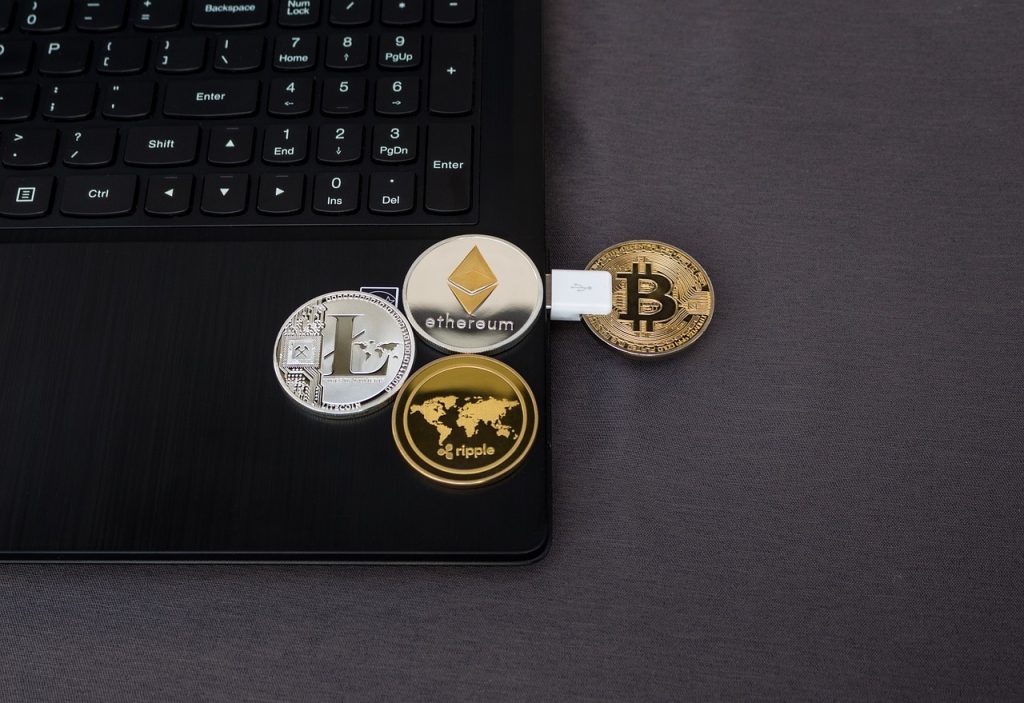
What is a bitcoin wallet?
In addition to storing Bitcoin balances, wallets also allow for the creation of Bitcoin addresses, which are similar to email accounts. These addresses are how you receive payments from other users. You create your own digital wallet by downloading software, which generates a unique string of characters called a seed, which then becomes your wallet’s password. This seed is what gives you control over your funds.
Bitcoin transactions
Transactions occur between two parties: a sender and a recipient. Each party has a unique Bitcoin address, which acts as a sort of mailbox for receiving payments. A user sends money from his or her wallet to another address, and then the receiver can spend those funds at any point later by sending them back to him or her. This is done by signing a message called a “transaction” with the sender’s private key, which encrypts the data into a string of characters. The encrypted message is sent along with the receiver’s public key, which allows the receiver to decrypt it using his or her private key.
Bitcoin transaction fees
When someone wants to send money to another person, they have to pay a fee to do so. This fee is paid to the miner who solves the cryptographic puzzle and creates the next block of transactions. If no one pays the fee, the miner does not get paid.
The miners are competing against each other to solve the puzzle first. Once solved, the transaction is added to the blockchain and the new block becomes part of the chain.
What Is The Purpose Of Bitcoin?
Bitcoin is designed to be used as a currency. It has no intrinsic value, but its price fluctuates based on supply and demand. As more people start accepting it as payment, the number of available coins decreases. Conversely, if fewer people accept it, the number of available bitcoins increases.
Where can I buy Bitcoin?
You can buy bitcoins directly from cryptocurrency exchanges. There are many different types of exchanges that offer different services. Some only deal in fiat currencies, while others will trade against cryptocurrencies like Ethereum and Litecoin. Some exchanges even have their own cryptocurrency, such as Binance Coin.
How do I sell my Bitcoin?
You can sell your bitcoins for either fiat currency or another cryptocurrency. Most major bitcoin exchanges will let you do this, but some may require that you verify your identity before allowing you to withdraw your funds.
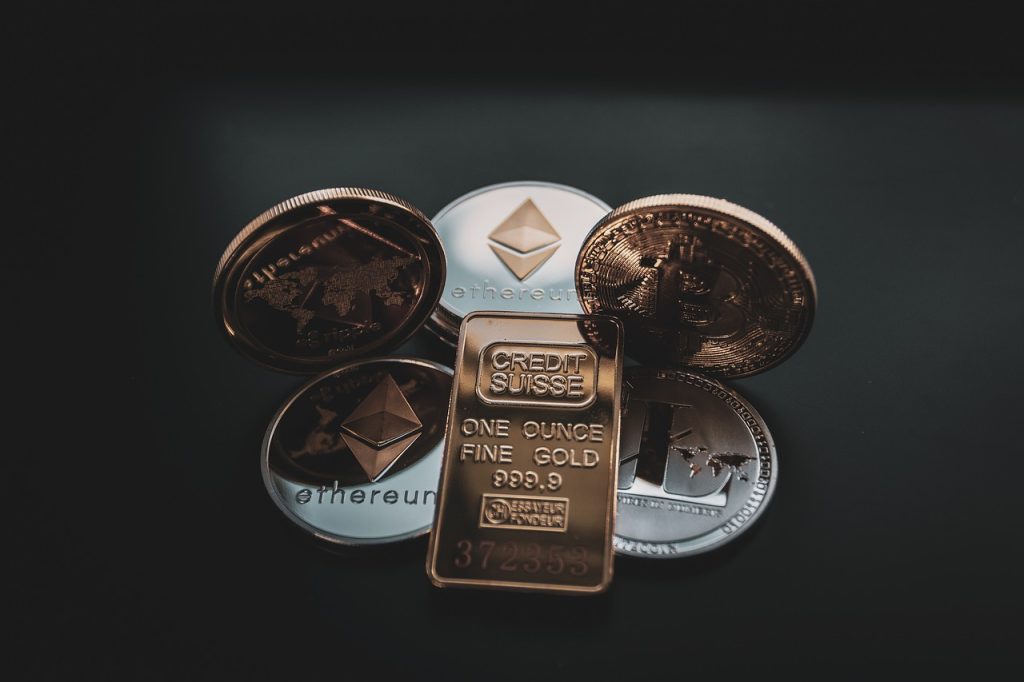
What are Altcoins?
Altcoins are alternative cryptocurrencies that use different technologies than Bitcoin. They include Ethereum, Ripple, Dash, Monero, Zcash, and many others. Their main difference is usually in the technology they use to secure their networks. For example, Ethereum uses smart contracts, whereas Bitcoin uses decentralized consensus mechanisms.
Why should I use Bitcoin instead of Fiat currency?
Fiat currencies are backed by governments, so they’re relatively stable. However, they’re not completely free from risk. Governments can print too much money, causing inflation. Inflation makes the purchasing power of your money decrease over time. Also, because these currencies are issued by central banks, there’s always a chance that the government could decide to devalue it. Finally, the cost of transferring money internationally can be very high. Using Bitcoin instead means you don’t need to worry about these issues.
Can Bitcoin Be Converted to Cash?
Yes! There are many different ways to convert Bitcoin to cash. For example, you can exchange it for dollars or euros using an online service like Coinbase. Or you can sell it to someone else who wants to buy it.
How Do I Create A Bitcoin Wallet?
To get started, visit www.coinbase.com/join/. Click on the button labeled Create Account. Fill out the required information and click Continue. Then follow the instructions to verify your identity. Finally, enter your desired username and password.
There are several ways to create a wallet. Another option is to download a free program called Blockchain Wallet. It allows you to store multiple cryptocurrencies, including Bitcoin, Ethereum, Litecoin, Ripple, Dash, Dogecoin, and more. Another popular option is Mycelium, which supports both Android and iOS devices. You can also use a web browser to access your wallet. Just make sure you’re logged into a secure website before you start typing in your credentials.
How do I buy Bitcoin?
You don’t have to go through a third party to get started with Bitcoin. You can purchase them using traditional currencies such as dollars, euros, pounds sterling, yen, yuan, rupees, and so forth. But if you’d rather use a credit card or debit card, Coinbase offers both services.
Should you buy Bitcoin?
Buying Bitcoin is a great way to invest in the future of cryptocurrency. However, there are risks involved. The price of Bitcoin is volatile, meaning that its value changes frequently. In fact, it’s been known to drop as much as 80% in a single day. So, while this may seem like a good investment opportunity, it could turn into a bad one quickly. Also, because Bitcoin isn’t backed by anything physical, it’s not insured against theft or fraud.
How many Bitcoins exist?
Since no single entity controls the Bitcoin network, it’s nearly impossible to manipulate the supply of coins. The number of bitcoins available will never exceed 21 million, and they’ll continue to be released over time. However, if demand increases faster than the rate at which new coins are being produced, then inflation could cause prices to rise.
“Inflation is when the price of something goes up due to increased supply,” explains Mozgovoy. “If the amount of bitcoin in circulation gets too high, people might start hoarding them instead of spending them. If that happens, the price would go down.”
What can Bitcoin buy?
Bitcoin is used to pay for things all around the world. From pizza delivery to plane tickets, everything can be purchased using digital currency. As long as you know what you want to buy, you should be able to find a seller willing to accept it.
What Are The Problems With Bitcoin?
The biggest problem facing Bitcoin today is scalability. Because the system was designed to handle only 7 transactions per second, it cannot scale to meet the demands of a global economy. This means that users must wait hours or even days to complete purchases.
Another issue is privacy. Since everyone has an address associated with their account, anyone can see where your money comes from and goes to. And since blockchain technology doesn’t provide anonymity, hackers can steal your personal information and use it to commit crimes.
Is Bitcoin legal?
Bitcoin is legal in most countries around the world, but some governments still consider it illegal. That said, there are few laws prohibiting citizens from buying and selling Bitcoin. And even though the U.S. government hasn’t made any official statements about Bitcoin, it doesn’t mean that it’s illegal.
Where can I spend my Bitcoins?
You can spend bitcoins anywhere that accepts credit cards. Many merchants will accept them as payment through services such as BitPay, CoinBase, Circle Pay, GoCoin, and Xapo.

What Is Bitcoin ETF?
An exchange-traded fund (ETF) is an investment vehicle that tracks the performance of a certain stock, bond, commodity, index, etc. These funds are traded on public exchanges just like stocks, bonds, and other securities.
Why do we need Bitcoin ETF?
With Bitcoin ETFs, investors can gain exposure to the rapidly growing market without having to worry about storing their own digital currency. They also offer protection against volatility and theft.
What are the benefits of Bitcoin ETF?
With Bitcoin ETFs, investors have access to a diversified portfolio of crypto investments. Unlike traditional investments, these funds don’t require a lot of management or oversight. Plus, they allow investors to trade Bitcoin futures contracts, giving them more control over how they manage their risk.
What are the disadvantages of Bitcoin ETF?
There are two major drawbacks to investing in Bitcoin ETFs: fees and regulation. Fees are charged by the custodian bank that holds the underlying assets. In addition, many states have passed legislation restricting cryptocurrency trading.
How much does it cost to invest in Bitcoin ETF?
Investing in Bitcoin ETF costs less than 1% of the average investor’s annual income. It’s also cheaper than mutual funds, which charge 2–3%.
Final Thoughts And Key Takeaways
While many people think of Bitcoin as a virtual currency, it’s actually a decentralized form of electronic cash. It’s also the first completely peer-to-peer transaction network. These characteristics make it different from other forms of online payments.
As you’ve seen, Bitcoin is a digital currency that allows individuals to send payments directly to each other without having to rely on banks or financial institutions. It’s also a form of virtual cash that’s completely decentralized and free from interference from central authorities.
However, Bitcoin does face several challenges. For example, it’s difficult to store large amounts of digital currency safely, and it’s expensive to transfer funds between different accounts.
But these issues aren’t likely to affect its popularity anytime soon. In fact, the value of one coin continues to increase. So while this may not be a perfect investment opportunity, it’s certainly worth exploring.
Interested in learning more about how cryptocurrencies work? Check out our other articles
The world is changing. The way we work, the way we live and the way we do business are all being transformed by new technologies that are reshaping how we interact with each other.
We are not Investment Advisors. Any data, text or other content on this page is provided as general market information and not as investment advice.